
What Shapes the Cost
- Biohazard cleanup cost depends on the rooms, surfaces, flooring and belongings involved, rather than a single standard amount.
- You can call any time. If an agency was involved, ask it when the space can be entered, leaving decisions about the work until the space can be assessed.
- The cleanup scope and price need to be understood before work starts, while later decorating decisions can wait.
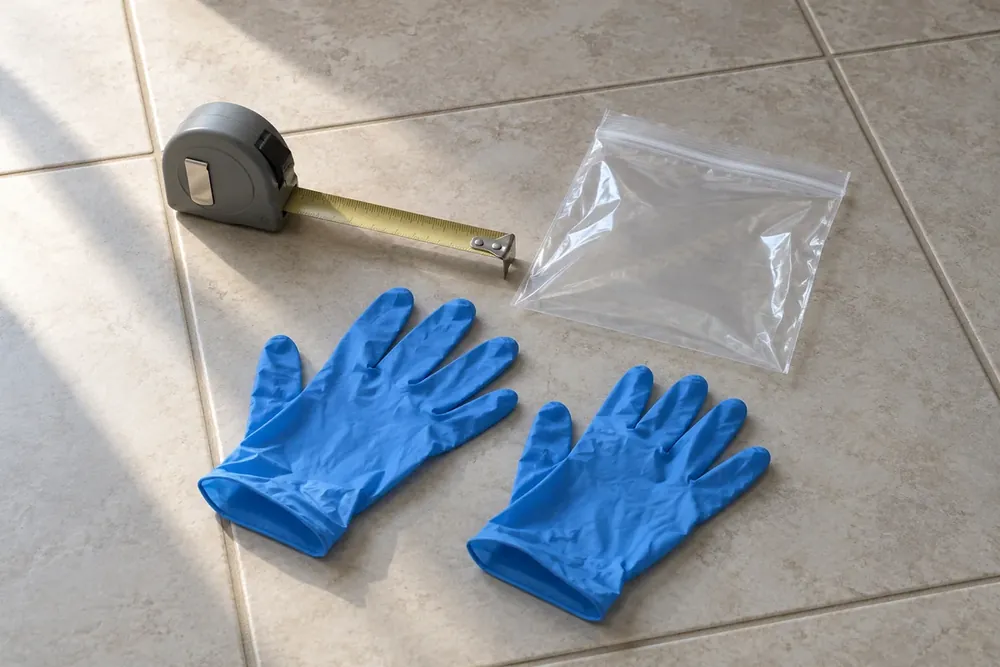
Cleanup Scope Comes Before a Price
The cost of cleanup follows the space itself: the rooms involved, the materials affected and the work included. A service name cannot describe those details. A small area with several kinds of flooring can present a different scope from a larger room with fewer affected surfaces. You do not have to work out the scope yourself to start a conversation.
The first call can leave cleanup decisions open
Planning can start with a call while decisions about the room remain on hold. In Oklahoma, the Office of the Chief Medical Examiner investigates deaths defined by state statutes, and its work includes scene investigation. For Tulsa, the Police Department's Crime Scene Unit processes major crime scenes.
You can call any time. A price based on seeing the room depends on an assessment of the space. There is no need to decide about flooring or belongings during the first conversation. Share only the room and surface details already known to you.
The details define the work
The scope depends on which rooms and surfaces need attention, including flooring and porous materials that cannot be saved. How long the space was closed, access to the affected area and belongings you hope to keep also belong in the discussion. None of those details requires a family to make a decision about the whole home today.
For biohazard clean up after death, cost depends on the condition and extent of the affected space. The cost of crime scene cleaning also follows the actual rooms and materials involved. Neither service name establishes how much work a particular home needs.
| What changes | Why it moves the scope | What helps on the call |
|---|---|---|
| Rooms involved | Several separate areas create a different scope from one room | Name only the rooms you already know about |
| Flooring and surfaces | Different materials may have different outcomes | Describe known flooring without checking the room |
| Porous materials | Materials that cannot be saved change what is included | Mention known concerns about flooring or furnishings |
| Time the space was closed | The condition of the space needs individual assessment | Share what is already known, without guessing |
| Access | Stairs and the location of the room affect the scope | Describe the property's usual layout |
| Belongings to keep | Those priorities need to be included in the discussion | Say that some decisions are still open |
A clearly identified area and fewer affected materials usually make the scope simpler to describe. For sewage backup cleanup, cost also depends on the extent of the affected flooring and surfaces. Knowing only one detail is enough to begin the call; a complete account is unnecessary.
The assessment supports the price discussion
An individual price needs an assessment of the affected space, because a general page cannot show what is included. One of our local cleanup partners explains the proposed scope and its price before work begins. Ask what the cleanup includes, and ask on the call who handles repairs. Choices about replacement colors or furnishings can remain separate.
After cleanup, later choices stay separate
After cleanup, you can consider the next use of the room without deciding everything at once. Ask about any remaining questions concerning the flooring or surfaces. Replacing furnishings and changing the room's appearance can wait. The cleanup steps provide another way to follow the conversation from the first call through the end of the work.